Wild Man of the Way 道野人
dào yě rén · say “dow-yeh-RUN”
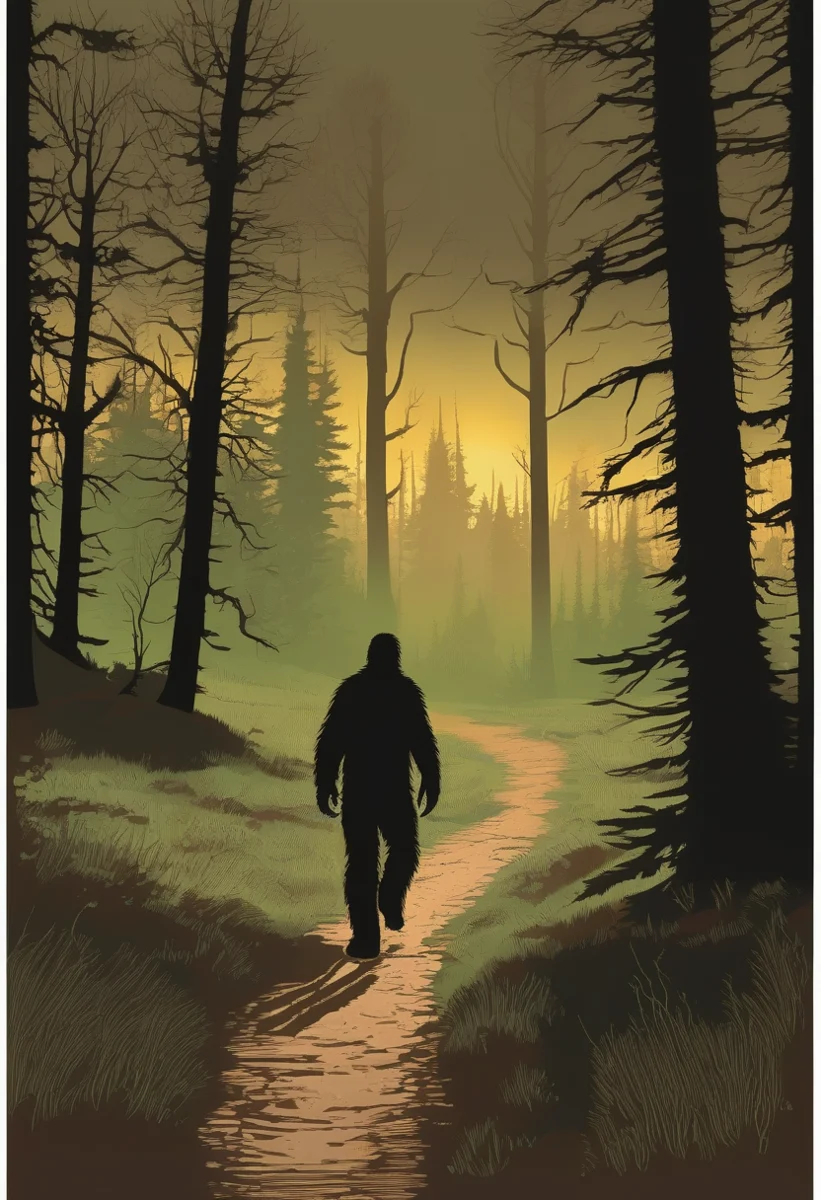
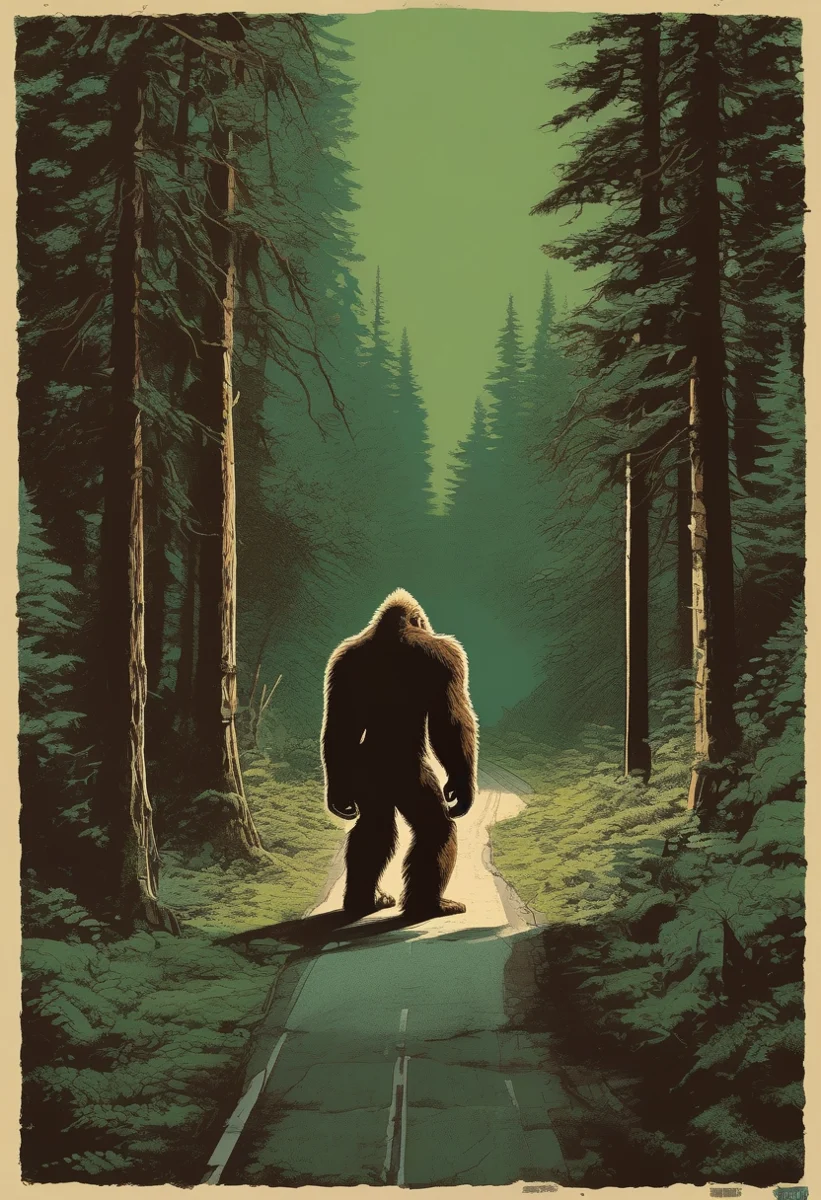
In Chinese, 野人 (yěrén), “wild person”, is the word for the Wildman: China’s Bigfoot, the one scientists went looking for in the Shennongjia forest in the 1970s.
It’s an older word too. Twenty-five centuries ago it meant the country people who lived out past the city walls. It could be an insult, and sometimes still is, but Confucius said that if he had to choose between the polished gentlemen and the rustics, he’d follow the rustics. Later poets signed themselves “old rustic” and meant it as a badge.
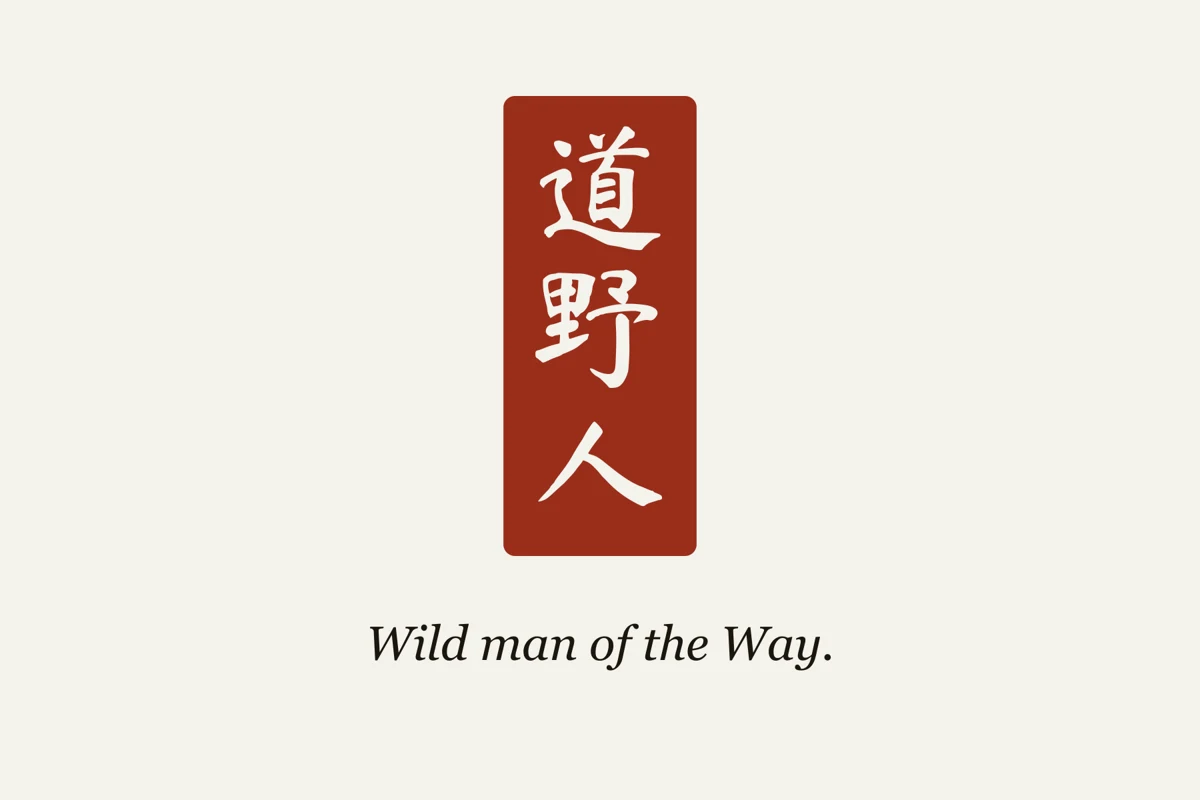
Put 道, the Way, in front, and you have the name on our seal: 道野人, a wild man of the Way. We made the name up, and we’d rather say so. The ideas aren’t ours. The Daodejing’s sage wears coarse cloth and carries jade inside. Zhuangzi’s crooked tree survives because nobody can find a use for it, and he says that in your first year on the Way, you go wild.
We’re in the Ozarks. The hollows fill with fog, the springs come up cold out of the limestone, and somebody out there has very big feet. He isn’t in a hurry.
Neither are we.
Go to the source
- Burton Watson, Zhuangzi: Basic Writings
- Ursula K. Le Guin, Lao Tzu: Tao Te Ching
- Gary Snyder, Riprap & Cold Mountain Poems
- Vance Randolph, We Always Lie to Strangers (Ozark tall tales)